
10 Things You Probably Didn't Know About LVP Flooring
Luxury Vinyl Plank, commonly known as LVP flooring, has become one of the fastest-growing flooring options in residential and commercial spaces. Most homeowners know it for its durability and affordability, but there is far more to LVP flooring than just surface appeal. From technological innovation to environmental considerations, this flooring solution has evolved significantly over the years.
Understanding the lesser-known aspects of LVP flooring can help homeowners make more informed renovation decisions. Whether you are updating a single room or remodeling your entire home, knowing how LVP flooring performs, installs, and lasts over time is essential.
1. LVP Flooring Has a Much Longer History Than You Think
While LVP flooring feels like a modern innovation, its roots go back decades. Vinyl flooring first gained popularity in the early 20th century as an affordable and resilient alternative to traditional materials. Over time, manufacturers improved construction methods, eventually developing the layered technology that defines LVP flooring today.
Modern LVP flooring uses advanced printing techniques to replicate wood, stone, and ceramic textures with remarkable realism. This evolution changed public perception, transforming vinyl from a basic utility material into a premium design option. What once served purely functional purposes is now a central design feature in many homes.
Industry leaders invested heavily in research and development to refine plank construction, durability, and appearance. These improvements positioned LVP flooring as a serious competitor to hardwood and tile.
2. The Market for LVP Flooring Is Rapidly Expanding
The demand for LVP flooring continues to grow at an impressive rate. Homeowners increasingly prioritize durability, water resistance, and design flexibility — all areas where LVP performs well.
According to Fortune Business Insights, the global vinyl flooring market size is projected to grow to 66.94 billion in 2032. This projection highlights the growing consumer confidence in products like LVP flooring and reflects its widespread adoption across residential and commercial projects.
This growth is not driven by aesthetics alone. Contractors, designers, and property owners recognize the long-term value of LVP flooring in high-traffic environments. Its ability to withstand daily wear without sacrificing visual appeal has made it a preferred choice in both renovations and new construction.
3. LVP Flooring Is Built Differently Than Traditional Vinyl
One major difference between LVP flooring and older vinyl products is its multi-layer construction. Traditional vinyl was often a thin sheet or tile that relied heavily on adhesive and offered limited durability.
In contrast, LVP flooring is built with multiple layers, including a protective wear layer, a high-definition design layer, and a rigid or flexible core. This layered structure improves stability and resistance to impact, scratches, and moisture.
The enhanced structure also allows LVP flooring to handle minor subfloor imperfections better than traditional vinyl. This makes it more forgiving during installation and more durable over time.
4. Waterproof Performance Makes It Exceptionally Versatile
One of the most significant advantages of LVP flooring is its water resistance. Many products are fully waterproof, meaning they can be installed in kitchens, bathrooms, laundry rooms, and basements without concern.
Unlike hardwood, which can warp when exposed to moisture, LVP flooring maintains its shape and integrity. This makes it especially attractive for families, pet owners, and households with heavy daily use.
Its waterproof capabilities also simplify maintenance. Spills can be cleaned easily without risking long-term damage. This combination of practicality and resilience is a key reason LVP flooring continues to gain popularity.
5. The Realism of Modern LVP Flooring Is Remarkable
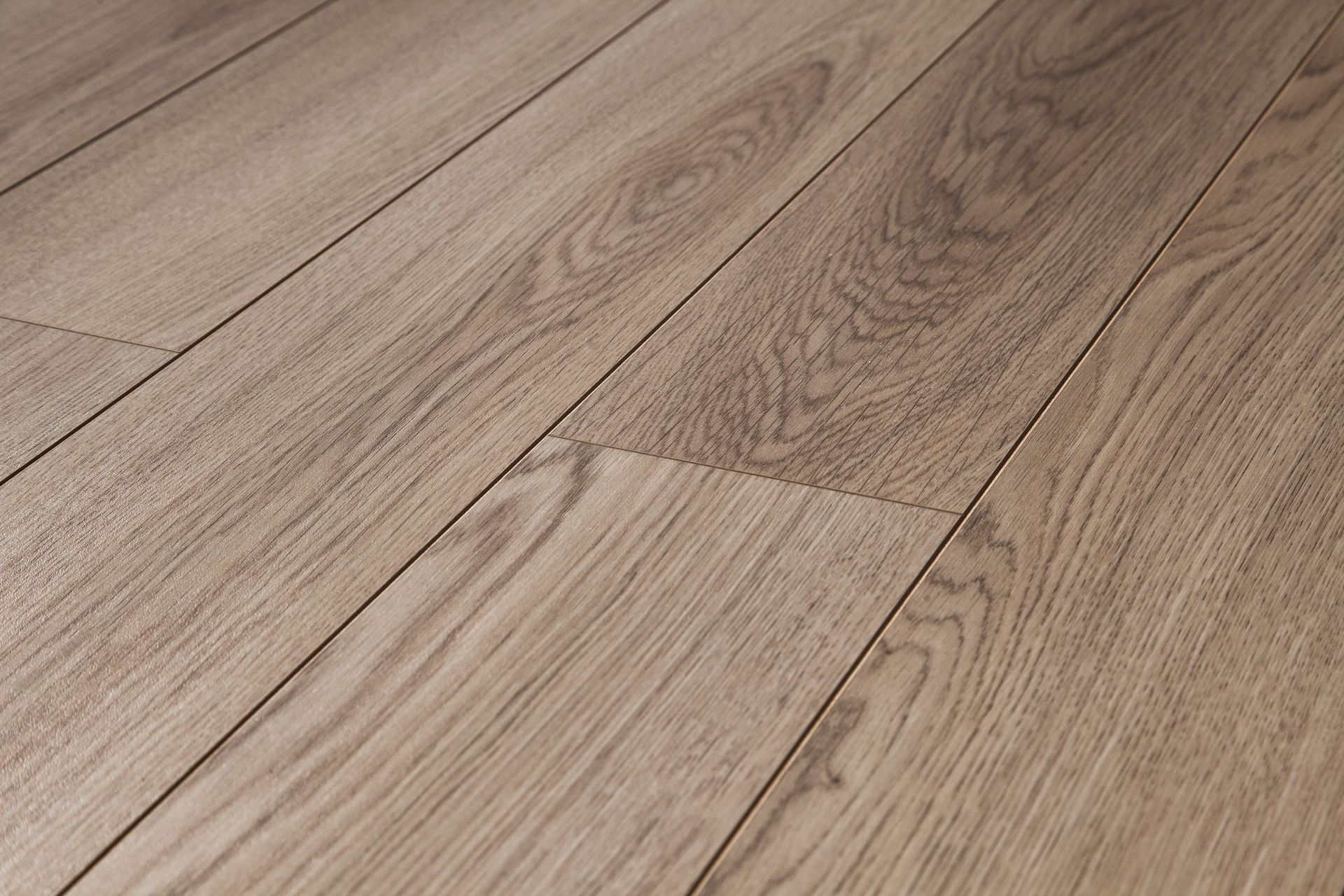
A common misconception is that vinyl looks artificial. However, modern LVP flooring uses high-definition imaging and embossing techniques that create realistic textures and grain patterns.
Manufacturers now produce planks that replicate oak, maple, walnut, stone, and even concrete finishes. Embossed-in-register technology aligns texture with the printed design, enhancing authenticity underfoot.
This realism allows homeowners to achieve the look of hardwood or stone at a fraction of the cost and without the intensive maintenance those materials require. LVP flooring offers visual sophistication with far less upkeep.
6. Installation Is Faster and More Flexible
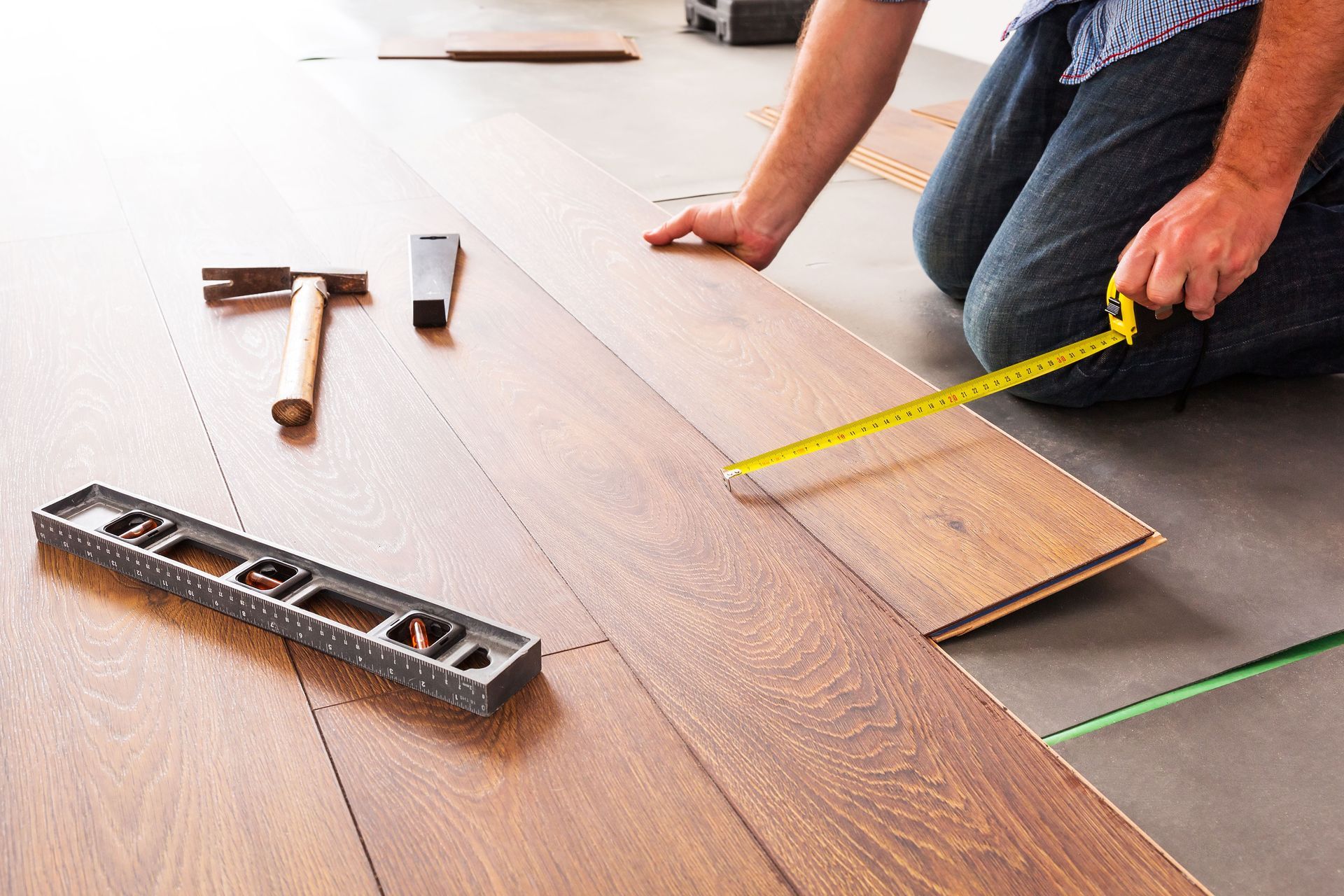
Installation methods have improved significantly with LVP flooring. Many products use click-lock systems that allow planks to snap together securely without glue. This floating floor method reduces labor time and simplifies the process.
Glue-down options are also available for high-traffic commercial settings that require additional stability. Because LVP flooring can often be installed over existing surfaces, it reduces demolition time and preparation costs.
For homeowners considering DIY projects, LVP flooring provides a manageable installation process when instructions are followed carefully. However, professional installation ensures optimal results and long-term performance.
7. Maintenance Requirements Are Minimal
Compared to hardwood or tile, LVP flooring requires very little maintenance. Routine sweeping or vacuuming removes debris that could scratch the surface. Occasional damp mopping with a mild cleaner keeps the planks looking fresh.
There is no need for sanding, sealing, or refinishing, which significantly reduces long-term upkeep costs. The protective wear layer helps resist stains, scuffs, and dents, making LVP flooring ideal for active households.
If a plank becomes damaged, individual boards can often be replaced without disturbing the entire floor. This modular repair capability adds to the long-term value of LVP flooring.
8. LVP Flooring Can Be an Environmentally Conscious Choice
Sustainability is becoming increasingly important to homeowners. Many LVP flooring manufacturers now implement eco-conscious production processes, including recycled content and reduced waste manufacturing.
Low-VOC options are widely available, contributing to better indoor air quality. This is particularly important for families with children or individuals sensitive to airborne irritants.
Additionally, the durability of LVP flooring reduces the need for frequent replacement, which lowers material consumption over time. When evaluating flooring from a life-cycle perspective, LVP can be a practical and responsible choice.
9. It Offers Strong Long-Term Value
While LVP flooring may cost more upfront than basic sheet vinyl, its longevity and durability deliver better long-term value. Its resistance to wear reduces repair and replacement expenses.
Homeowners also benefit from improved resale appeal. Modern buyers appreciate flooring that combines durability, water resistance, and aesthetic versatility. Because LVP flooring mimics premium materials, it enhances overall interior presentation without the maintenance burden.
When considering total lifecycle cost, LVP flooring provides a balance of affordability and performance that few materials can match.
10. LVP Flooring Performs Well in High-Traffic Areas
One of the most practical advantages of LVP flooring is how well it performs in high-traffic environments. Entryways, hallways, kitchens, and living rooms experience constant foot traffic, shifting furniture, pet movement, and daily wear. LVP flooring is specifically engineered to withstand these stress points without losing its structural integrity or visual appeal.
The durability comes largely from its wear layer. This transparent top coating protects the design layer beneath from scratches, scuffs, and stains. Higher-quality LVP flooring typically features a thicker wear layer, which improves long-term performance in active households. For families with children or pets, this added protection can significantly extend the life of the flooring.
LVP flooring is far more than a simple alternative to hardwood or tile. It represents decades of technological innovation, market growth, and design refinement. From waterproof performance and realistic textures to low maintenance and strong long-term value, LVP flooring continues to redefine expectations in residential and commercial spaces.
As demand grows and technology advances, LVP flooring remains one of the most practical and versatile flooring solutions available today. If you are considering upgrading your home with high-quality LVP flooring, contact Superior Interiors for expert guidance, professional installation, and flooring solutions tailored to your space.




















Share On: